


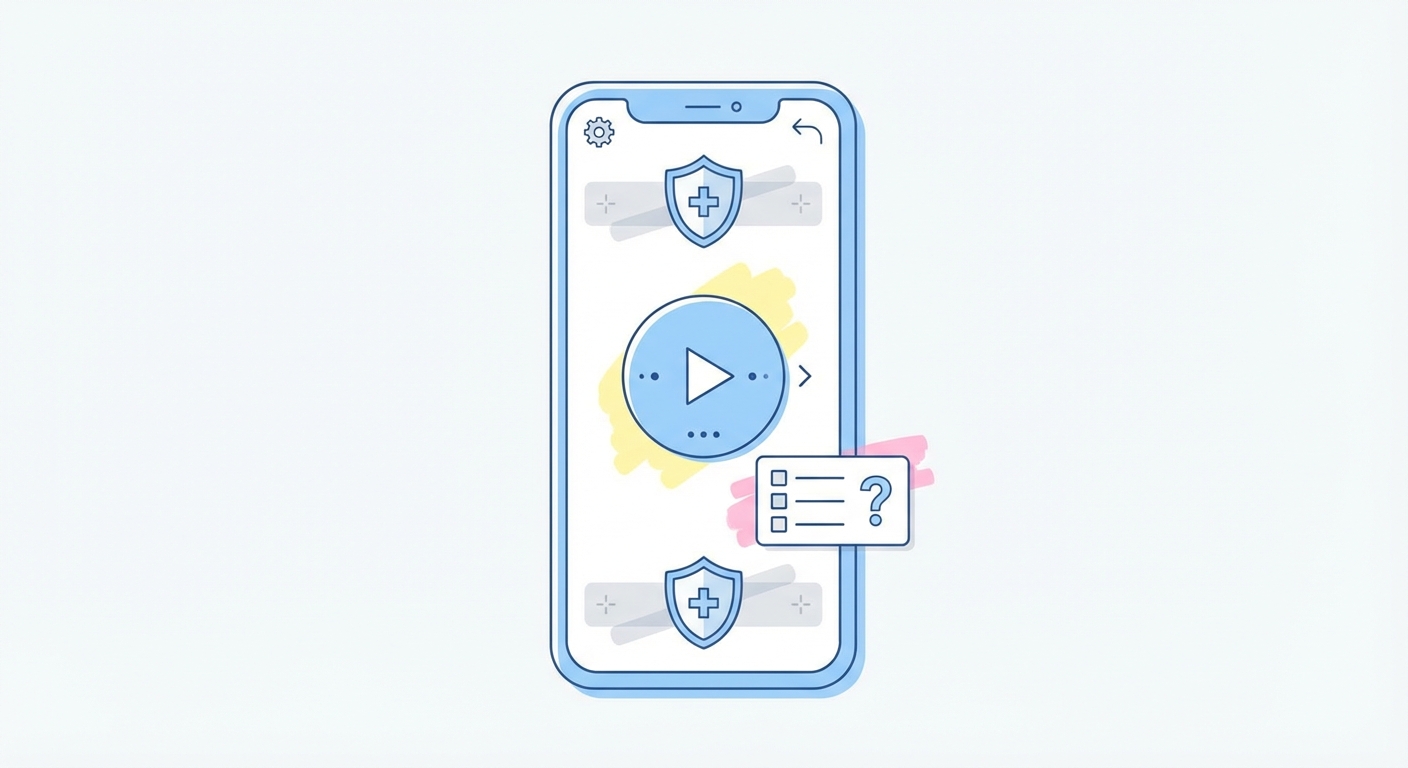
The digital landscape feels more crowded than ever, and let’s be honest, standard banners are struggling to keep up. Over half (52%) of consumers across 48 global markets have installed or used an ad blocker on their web browser or mobile device, according to January 2024 data from YouGov. At the same time, banner and mobile display ads typically generate only tiny, fractional‑percent click‑through rates, pushing brands to move from passive impressions to more active, participatory formats.
Interactive Formats That Drive Real Engagement
When you move beyond static images, you give your audience a reason to stop scrolling. High-performing creatives succeed because they treat the viewer as a participant rather than a target.
Here are several ways different industries are using rich media to solve common advertising challenges.
Gamified Quizzes in the Beverage Industry
Gamification turns a simple brand message into an emotional investment. A standout example is the award-winning Carlsberg campaign, which utilised a mobile display activation featuring an interactive quiz and a 3D parallax video cube. By encouraging users to engage with their new eco-friendly packaging, the campaign achieved almost 33% engagement on mobile impressions.
This format works because it rewards the user’s curiosity. Instead of being shouted at, the audience is invited to play, leading to significantly longer banner dwell times compared to static formats. Well-designed interactive formats can significantly improve brand recall and engagement in some contexts, particularly during product launches where audience education is key. For brands planning a launch, interactive layouts that provide immediate feedback or rewards (such as surveys or quiz modules) can be particularly effective.
What layout works best for which industry and campaign goal? Find out from our Interactive Ad Benchmarks by Vertical Report.
Shoppable Hotspots for Retail and e-commerce
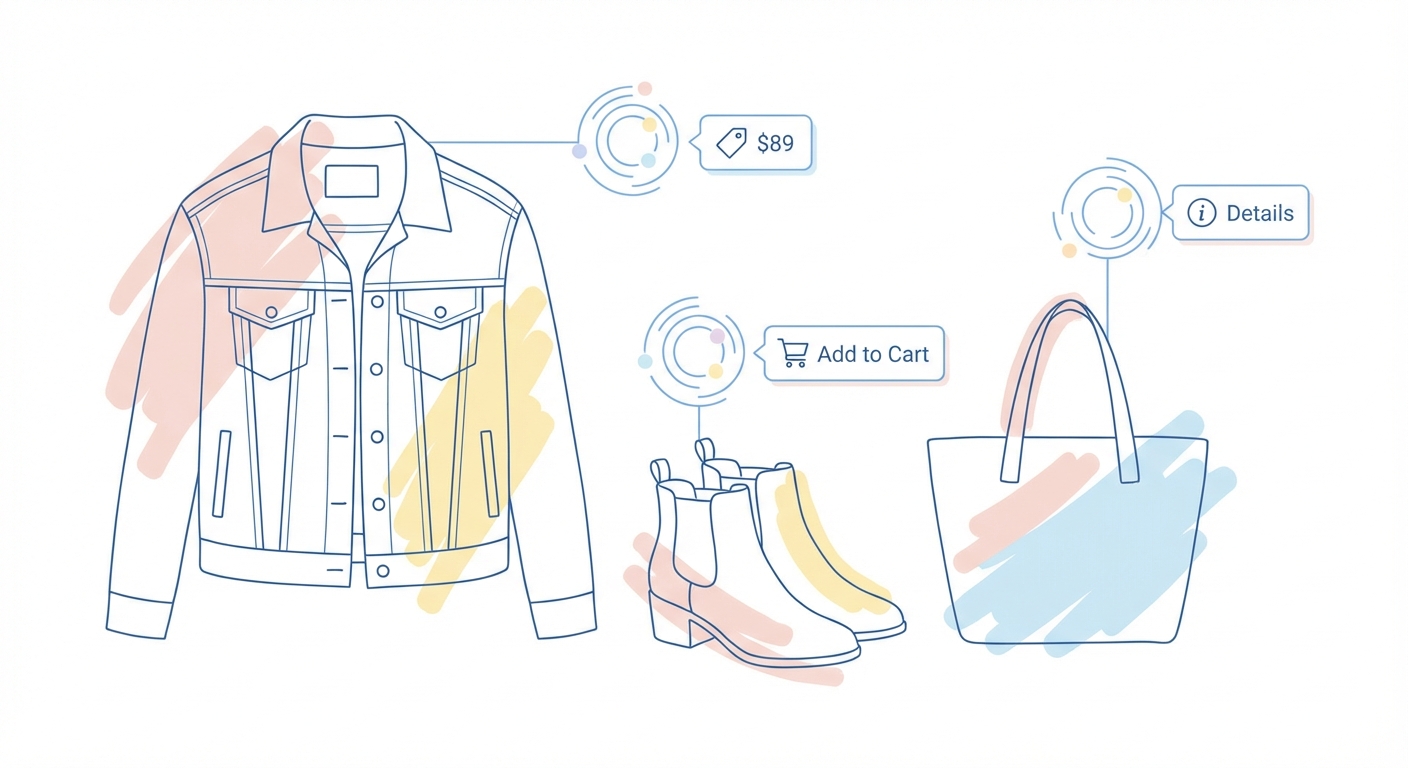
In retail, every extra click increases the risk of drop-off. Shoppable ads reduce that friction by embedding the shopfront within the creative itself. Major retailers are already expanding into shoppable video and CTV — Amazon with Prime Video and TikTok integrations, and Walmart through QR-enabled linear TV and its Vizio acquisition.
This shift enables interactive product discovery inside the ad unit. Users can tap a “pulse” icon on a jacket or pair of boots to see pricing and product details instantly. Using extra features like in-ad overlays for product details streamlines the path to purchase and allows for multi-product showcasing in a single placement.

360-Degree VR Showrooms for Automotive Brands
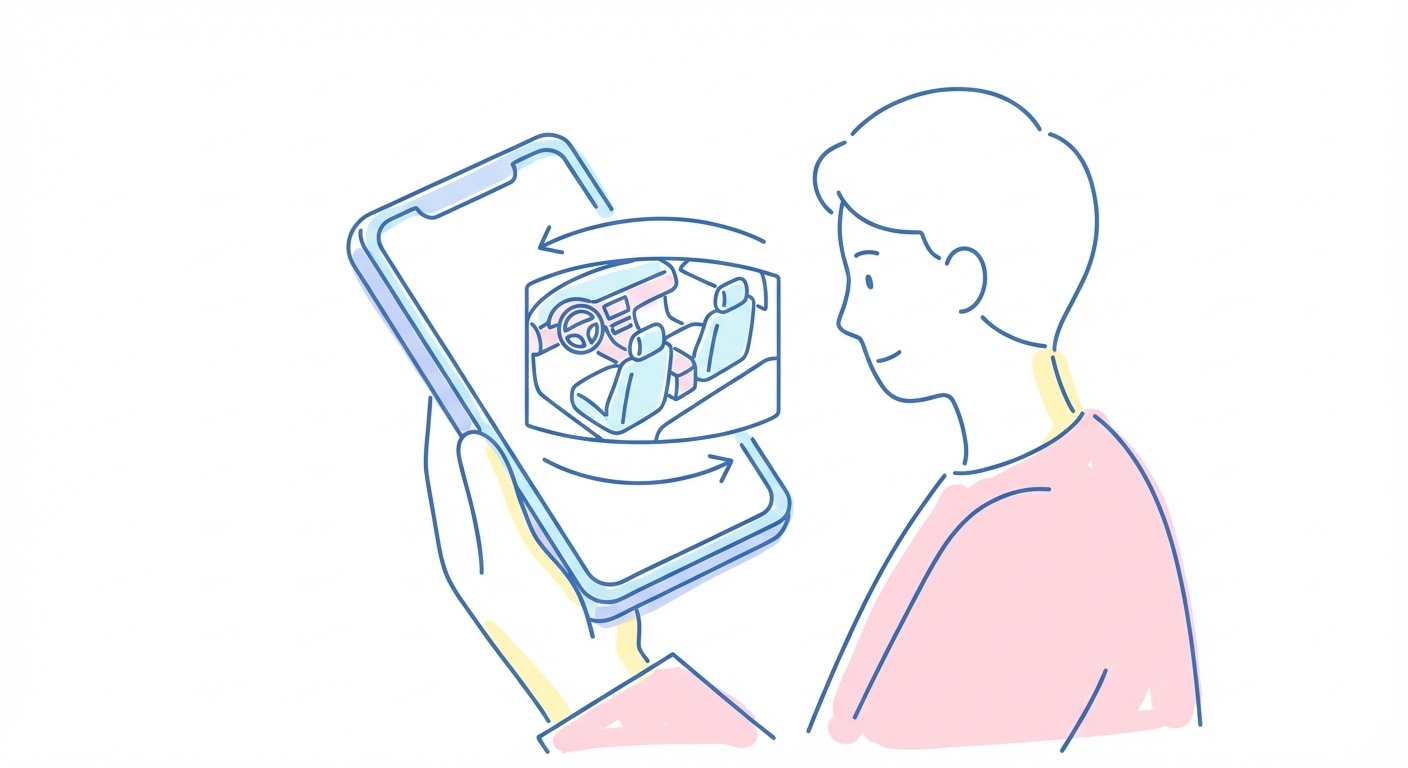
The automotive sector relies heavily on the tactile feel of a vehicle, which is notoriously difficult to convey in a 2D banner. High-end brands are now moving toward interactive video ads that use a VR Showroom layout. This allows users to explore a car’s interior by simply tilting their phone or dragging their cursor.
Because these ads use the device’s gyroscope to create an immersive experience, the user can get a feel of the car. It effectively replaces the physical showroom experience for the digital-first consumer. You might consider VR Showroom or 3D Cube layouts to show a vehicle or a luxury product from every possible angle.
Interactive Maps for FMCG and Fast Food
For brands like PizzaHut or McDonald’s, the ultimate goal is often to drive footfall. Using an interactive map layout allows the ad to automatically detect the user’s location and show the nearest stockist or restaurant. In a case study involving Pepsi, the brand combined gamification with location-based triggers to create a high-impact mobile experience.
This approach bridges the gap between digital interaction and physical shopping. You aren’t just telling the audience about a new product; you are showing them exactly where they can buy it right now. Using a Map or Map with Horizontal Drag layout ensures a seamless transition from the brand story to the physical store location.
Carousel Ads for Travel and Tourism
Travel is an inherently visual industry, and one image is rarely enough to sell a destination. The carousel layout allows brands like Norwegian or Wonderful Indonesia to show a variety of experiences, from fine dining to sightseeing, in a single swipeable unit.
Research shows that carousel ads generate significantly higher engagement than single-image ads by enabling sequential storytelling and interactive exploration. One study found that carousel ads are more cost-efficient and generate higher engagement rates than video ads, with a 29.9% higher return on ad spend. You can lead the user through a journey: starting with the comfort of a train carriage, moving to the beauty of a destination, and ending with a clear “Book Now” call to action. This provides more creative real estate and lets users choose which part of the story they want to explore.
Best Practices for High-Performing Creatives
Creating an interactive ad is the first step, but ensuring it performs under real-world conditions is what matters for your ROI. Here is how you can polish your strategy:
- Optimise for Speed: Users have little patience for slow-loading content. Ensure your creatives are lightweight. The Nexd Campaign Manager produces ads that are up to 10 times lighter than traditional HTML5, ensuring they load instantly even on patchy mobile connections.
- Build a Clear Visual Hierarchy: Guide attention with size, contrast, and placement so your hero element is unmissable. Apply the 3-second rule: users should understand the main message in three seconds or less.
- Focus on the First Interaction (with strong cues): Whether it’s a “Swipe to Explore” or “Tilt to See,” your call to action must be clear and immediate. Use interaction cues – highlights, arrows, or micro-animations – so it’s instantly obvious what’s interactive.
- Use Motion with Intent: Every animation should have a purpose: reveal content, guide interaction, or provide feedback. Keep motion subtle (around 0.2–0.5s) to feel polished rather than gimmicky.
- Leverage Dynamic Creative: Use Dynamic Creative Optimisation (DCO) to swap assets based on weather, location, or time of day. A person seeing a raincoat ad during a drizzle is far more likely to engage than someone seeing it during a heatwave.
- Write Copy That Fits the Format: Use action words (swipe, explore, discover) and keep it scannable. Interactive ads allow progressive disclosure – don’t cram everything upfront.
- Design Mobile-First: Design for thumbs, not cursors. Touch targets should be at least 44×44px, and you should test across iOS Safari, Android Chrome, and key desktop browsers.
If you are looking for more inspiration, you can browse hundreds of live campaigns in the Nexd Ad Gallery to see how these layouts function in the wild. When you are ready to start building your own, you can sign up for a free trial to create your first interactive ad in minutes.